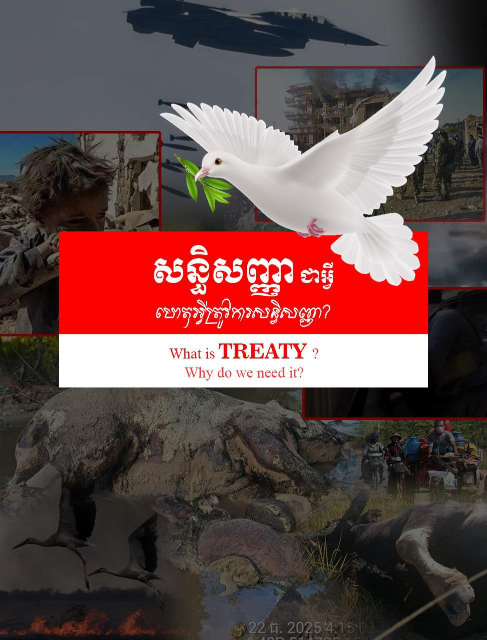




សន្ធិសញ្ញា/Treaty
09-01-2026 16:09
(ភ្នំពេញ)៖ សន្ធិសញ្ញា គឺជាស្ពានចម្លងមនុស្សជាតិពីពិភពលោកដែលប្រើកម្លាំងបាយ ទៅកាន់ពិភពលោកដែលប្រើហេតុផល និងសីលធម៌។ សន្ធិសញ្ញាបង្ហាញថា មនុស្សអាចជ្រើសរើសយកច្បាប់លើកម្លាំង សីលធម៌លើអំណាច និងការសហការលើជម្លោះ។ ការរក្សាសុពលភាពនៃសន្ធិសញ្ញា គឺជាការរក្សានូវអរិយធម៌របស់មនុស្សជាតិ។
១. សន្ធិសញ្ញាជាអ្វី?
ក្នុងន័យច្បាប់ សន្ធិសញ្ញា គឺជាកិច្ចព្រមព្រៀងផ្លូវការរវាងរដ្ឋ ឬភាគីអន្តរជាតិ ដែលកំណត់សិទ្ធិ ភារកិច្ច និងគោលការណ៍នៃការអនុវត្តរួមគ្នា។ សន្ធិសញ្ញាមានតួនាទីជាមូលដ្ឋានសំខាន់ក្នុងទំនាក់ទំនងអន្តរជាតិ និងច្បាប់អន្តរជាតិ ដោយផ្តល់ក្របខ័ណ្ឌសម្រាប់ការសហការ សន្តិភាព ពាណិជ្ជកម្ម ការការពារបរិស្ថាន និងសិទ្ធិមនុស្ស។ សន្ធិសញ្ញា មិនមែនជាឯកសារផ្លូវច្បាប់ធម្មតាទេ ប៉ុន្តែជាការបង្ហាញពីសីលធម៌ និងការគិតរួមគ្នាក្នុងការរស់នៅជាសហគមន៍ដើម្បីសុខដុមរមណីយកម្មរួមគ្នា។
ក្នុងន័យទស្សនវិជ្ជា សន្ធិសញ្ញាតំណាងឱ្យ «ពាក្យសន្យា» ដែលមនុស្ស ឬរដ្ឋ ប្ដេជ្ញាចិត្តធ្វើចំពោះគ្នាទៅវិញទៅមក ដែលភាគីទាំងឡាយយល់ព្រមទទួលខុសត្រូវលើសកម្មភាពអនាគតរបស់ខ្លួន ដើម្បីធានានូវសុវត្ថិភាព និងសណ្តាប់ធ្នាប់សហគមន៍រួម។ ការរក្សាពាក្យសន្យា គឺជាគុណធម៌មូលដ្ឋាន ដែលយើងមានចំពោះគ្នាទៅវិញទៅមកក្នុងនាមជាមនុស្ស។
នៅពេលសន្ធិសញ្ញាត្រូវបានគោរព វាបង្ហាញពីភាពស្មោះត្រង់ កិត្តិយស និងការគោរពគ្នាទៅវិញទៅមក។ ផ្ទុយមកវិញ ប្រសិនបើសន្ធិសញ្ញាមិនត្រូវបានគោរពនោះ វាបង្ហាញពីការបដិសេធតម្លៃសីលធម៌ទាំងនេះ និងជាបំផ្លាញនូវទំនុកចិត្តរវាងគ្នានឹងគ្នា។ សន្ធិសញ្ញា គឺជាឧបករណ៍សម្រាប់បំប្លែងអំណាចទៅជាច្បាប់។ ពិភពលោកដែលគ្មានសន្ធិសញ្ញា នឹងក្លាយជាពិភពលោកដែលការប្រើប្រាស់កម្លាំងក្លាយជាមូលដ្ឋាននៃសិទ្ធិ។
សន្ធិសញ្ញាអនុញ្ញាតឱ្យរដ្ឋដាក់កម្រិតលើអំណាចរបស់ខ្លួន ដើម្បីបង្កើតសន្តិភាព និងការរស់នៅរួមគ្នា។ ក្នុងន័យនេះ សន្ធិសញ្ញាជាសញ្ញានៃការរីកចម្រើនផ្លូវអរិយធម៌ សីលីធម៌ ដែលមនុស្សជ្រើសរើសការពិភាក្សាជំនួសអំពើហិង្សា។
២. ការឆ្លុះបញ្ចាំងរបស់សន្ធិសញ្ញា
សន្ធិសញ្ញាផ្តល់នូវសញ្ញាណសំខាន់ៗចំនួន ៥ ដល់សង្គមអន្តរជាតិ ដែលបង្ហាញពី៖
- ឆន្ទៈ និងការយល់ព្រម (Consent and Will)
សន្ធិសញ្ញា គឺជាភស្តុតាងដែលបង្ហាញថា រដ្ឋអធិបតេយ្យនានា បានព្រមព្រៀងគ្នាដោយស្ម័គ្រចិត្ត មិនមែនជាការបង្ខិតបង្ខំឡើយ ប៉ុន្តែជាការសម្រេចចិត្តរួមគ្នា ដើម្បីសម្រេចគោលដៅណាមួយ។ ក្នុងទស្សនវិជ្ជានយោបាយ វាបង្ហាញថា «អំណាចកើតចេញពីការយល់ព្រម» មិនមែនកើតពីកម្លាំងបាយឡើយ។
- ទំនុកចិត្ត និងភាពស្មោះត្រង់ (Trust and Good Faith)
សន្ធិសញ្ញាបង្ហាញថា ភាគីទាំងឡាយមានទំនុកចិត្តលើគ្នាទៅវិញទៅមក។ គោលការណ៍ច្បាប់អន្តរជាតិ (សន្ធិសញ្ញាត្រូវតែគោរព) បង្ហាញថា «ពាក្យសន្យា» គឺជាមូលដ្ឋានគ្រឹះនៃសណ្តាប់ធ្នាប់ពិភពលោក។ បើគ្មានទំនុកចិត្ត សន្ធិសញ្ញាក៏មិនអាចកើតមានដែរ។
- ផលប្រយោជន៍រួម (Common Interests)
សន្ធិសញ្ញានីមួយៗបង្ហាញពីចំណុចប្រសព្វនៃផលប្រយោជន៍ ៖
• សន្តិសុខ៖ បញ្ឈប់សង្គ្រាម ឬការពារការឈ្លានពាន
• សេដ្ឋកិច្ច៖ ការសម្រួលពាណិជ្ជកម្ម និងការវិនិយោគ
• មនុស្សធម៌៖ ការការពារសិទ្ធិមនុស្ស និងសង្គ្រោះជនរងគ្រោះ
• បរិស្ថាន៖ ការការពារភពផែនដីសម្រាប់មនុស្សជាតិទាំងមូល។
- ការទទួលខុសត្រូវចំពោះមុខច្បាប់ (Legal Accountability)
សន្ធិសញ្ញាបង្ហាញពីព្រំដែននៃសិទ្ធិ និងកាតព្វកិច្ច។ វាបញ្ជាក់ថា រដ្ឋនីមួយៗមិនអាចធ្វើអ្វីស្រេចតែចិត្តឡើយ ប៉ុន្តែត្រូវស្ថិតនៅក្រោម «វិធានរួម»។ នៅពេលមានការរំលោភបំពាន សន្ធិសញ្ញាគឺជាបន្ទាត់សម្រាប់វាស់ស្ទង់កំហុស និងការទាមទារយុត្តិធម៌
- ចក្ខុវិស័យសម្រាប់អនាគត (Vision for the Future)
សន្ធិសញ្ញាបង្ហាញពីបំណងប្រាថ្នារបស់មនុស្សជាតិក្នុងការចង់បានពិភពលោកមួយដែលប្រសើរជាងមុន។ វាគឺជាការរៀបចំទុកជាមុននូវដំណោះស្រាយសម្រាប់បញ្ហាដែលមិនទាន់មកដល់ ដើម្បីធានាថាអ្នកជំនាន់ក្រោយនឹងរស់នៅក្នុងសន្តិភាព និងស្ថិរភាព៕
Treaty
A treaty is a bridge that carries humanity from a world ruled by brute force to one guided by reason and morality. It demonstrates that mankind can choose law over force, ethics over power, and cooperation over conflict. To uphold the validity of a treaty is to safeguard the very civilization of humanity.
1. What is Treaty?
In a legal sense, a treaty is a formal agreement between states or international parties that defines shared rights, obligations, and principles of conduct. Treaties serve as the fundamental cornerstone of international relations and law, providing the essential framework for cooperation, peace, trade, environmental protection, and human rights. A treaty is not merely a legal instrument; it is an expression of the collective conscience and shared intellect of a community striving for global harmony.
In a philosophical sense, a treaty represents a "promise"—a solemn commitment that individuals or states make to one another. Through this commitment, parties accept responsibility for their future actions to ensure the safety and order of the collective. Keeping a promise is a foundational virtue we owe one another as human beings. When a treaty is honored, it manifests integrity, honor, and mutual respect. Conversely, to violate a treaty is to reject these moral values and destroy the fabric of mutual trust.
A treaty is an instrument for transforming power into law. A world without treaties would be a world where "might makes right." Treaties allow states to place limits on their own power in favor of peace and coexistence. In this regard, a treaty is a hallmark of civil and moral progress—a choice of dialogue over violence.
2. The Reflections of a Treaty
A treaty provides five vital signals to the international community, reflecting:
-Consent and Will: Treaties serve as evidence that sovereign states have reached an agreement voluntarily, free from coercion. In political philosophy, this demonstrates that "power is derived from consent," not from physical force.
- Trust and Good Faith: Treaties indicate that parties place their trust in one another. The fundamental principle of international law, Pacta Sunt Servanda (agreements must be kept), establishes that a "promise" is the bedrock of world order. Without trust, a treaty cannot exist.
- Common Interests: Every treaty represents a convergence of shared goals, including:
- Security: Ending wars or preventing aggression.
- Economy: Facilitating trade and investment.
- Humanitarianism: Protecting human rights and aiding the vulnerable.
- Environment: Safeguarding the planet for all of humanity.
- Legal Accountability: Treaties define the boundaries of rights and duties. They ensure that no state can act purely on whim, but must remain subject to "common rules." In the event of a violation, the treaty serves as the benchmark for measuring fault and seeking justice.
- Vision for the Future: Treaties embody humanity's aspiration for a better world. They represent a proactive preparation of solutions for future challenges, ensuring that the next generation can live in peace and stability.